To get a large 3D-printed piece into an activation on time, work backwards from load-in: brief, design lock, a finish sample, printing, finishing, then delivery and install. Printing is rarely what slips. Late design changes are, because every change after printing starts means reprinting sections. Agree a design-lock date and treat it like the load-in time.
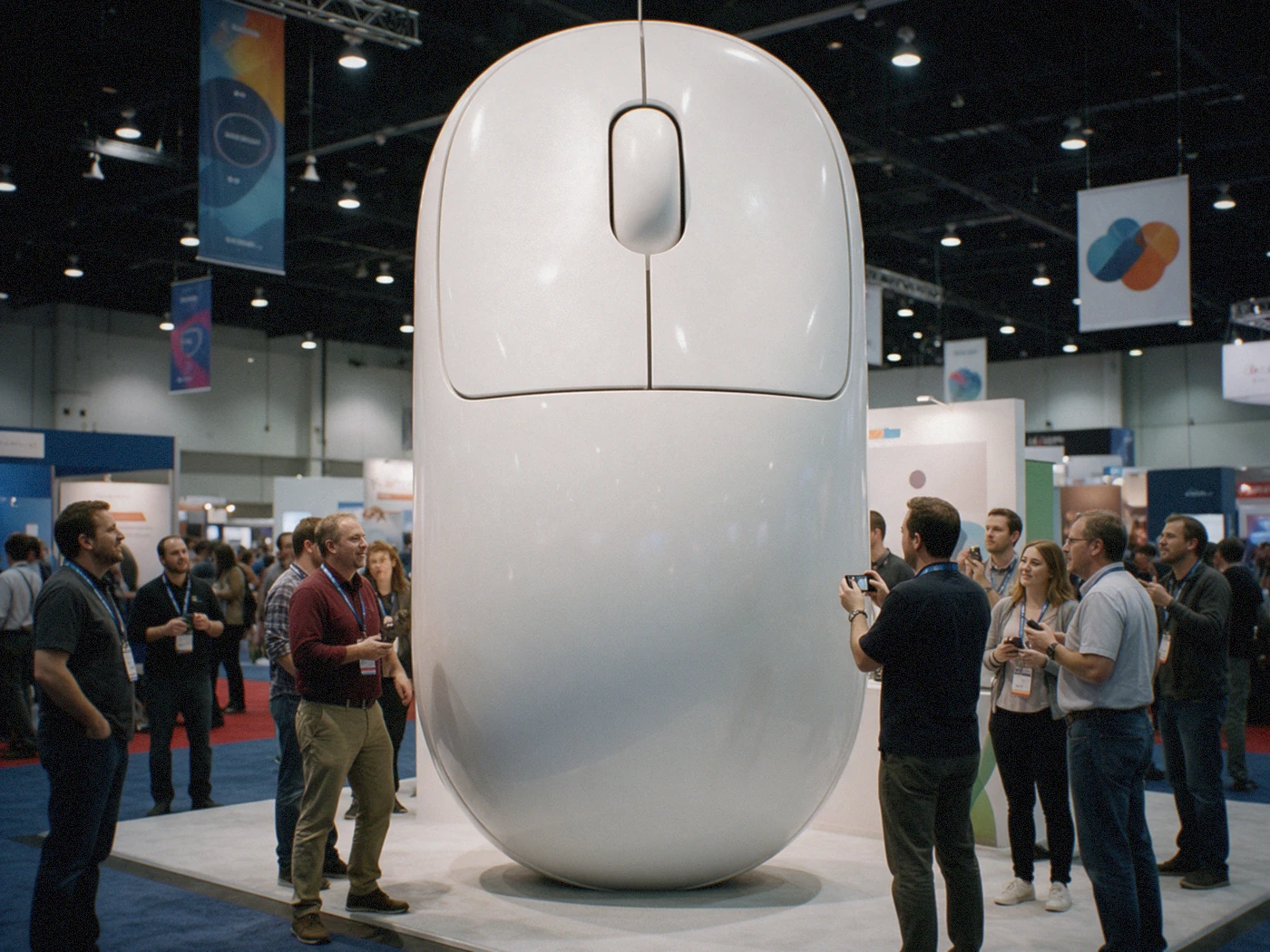
Printed pieces are a natural fit for activations: hero objects for the photo moment, oversized product replicas, sculptural seating, window displays and signage, all without moulds. But activation work has a fixed date that no other client has. Here's the plan we see working for producers and agencies.
Work backwards from load-in
| Step | What happens | Who owns it |
|---|---|---|
| 1. Brief | Size, location, finish, date, venue rules | Producer / agency |
| 2. Engineering | Sections, seams, internal structure, rigging or base | Ctrl+P |
| 3. Design lock | Final model and colour approved, no more changes | Producer / brand |
| 4. Finish sample | A small printed and finished section to sign off colour and surface | Ctrl+P → producer approves |
| 5. Print + finish | Sections printed, joined, filled, sanded, primed and painted | Ctrl+P |
| 6. Deliver + install | Crated, delivered in the load-in window and set in place | Ctrl+P with venue |
Lock the design early
Most schedule risk comes from changes after printing has started. If the logo, colour or proportions might still move, settle them on the finish sample, not on a render. A physical sample under the venue's lighting answers questions a screen can't.
Plan the room before the object
Large pieces have to get in. Check door widths, lift sizes, ceiling heights, floor loading and the load-in route, and send us the venue pack with the brief. We plan the sections around how the piece travels as well as how it prints.
Public spaces need engineering
Anything people can touch, sit on or walk under needs to be stable and safe. Tell us early if a piece will be climbed on for photos, hung overhead or placed outdoors. That decides internal frames, weighted bases, rigging points and the coating.
Fire and venue rules
Standard printing plastics are combustible. Many venues ask for flame-retardant materials or treatments and the paperwork to match. Raise it with the brief so coatings and paperwork are planned in from the start.
Start with a brief
Send a sketch or render, the size, the venue and the date through the Start a print form. We'll come back with questions, a timeline and a quote.